


Vacuum Pump
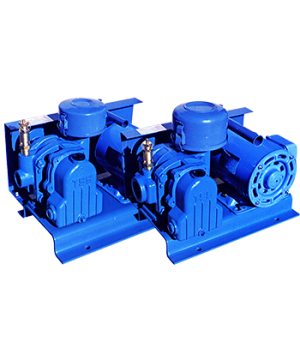
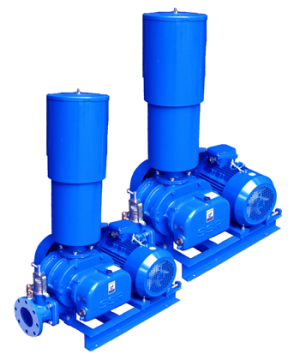
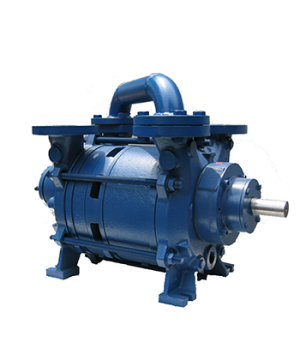
Vacuum Pump
A vacuum pump is a device used to remove gas molecules from an enclosed space and discharge them into the open environment. Its primary purpose is to reduce the air pressure inside a chamber until it reaches a specific vacuum level.
Vacuum pumps are essential components in many major industries, including light bulb manufacturing, oil purification plants, electronic component production, vacuum glass coating, and medical equipment manufacturing.
The use of a vacuum system is intended to increase the speed of condensation so that vapor can be converted back into water through the condenser component.
Choosing a High-Quality Vacuum Pump at the Best Price
A vacuum pump functions to accelerate the condensation process, allowing vapor to return to liquid form through the condenser system. In addition, this machine helps direct vapor toward the outer condenser surface.
As a result, the condenser is cooled by a cooling medium, enabling heat transfer to occur. This process causes wet vapor to condense back into liquid water, which is then collected in a chamber located within the hot well.
Today, vacuum pumps are available in many different models and price ranges. These variations can be selected according to your operational needs.
By choosing the appropriate vacuum pump, the machine can operate more effectively and efficiently. Therefore, before purchasing a vacuum pump, it is important to carefully consider the specifications, price, and model that best suit your requirements.
You can obtain detailed product information through online sources. In addition, understanding proper vacuum pump maintenance is equally important.
Proper maintenance helps keep the equipment in optimal condition, extending the service life of the vacuum pump while preventing various issues that could potentially damage the machine.
How Does a Vacuum Pump Work?
As explained earlier, vacuum pumps operate using different working principles depending on the technology and mechanism used to drive the pump. This also affects the specific applications and operational requirements of each pump type.
The condenser functions as a circulation controller for various substances, regulating the movement of materials into and out of the system through the vacuum pump. The condenser also helps maintain stable temperatures within the system or chamber.
This stability prevents cavitation, which refers to the formation and collapse of air bubbles inside the pump.
To prevent overheating, vacuum pumps are equipped with a component called a heat exchanger.
This component provides a pathway for hot vapor to be drawn out while the pump operates to discharge substances through the designated channels.
The water entering the pump first passes through the heat exchanger. This process allows the system stages to transfer substances more smoothly while maintaining stable operating conditions within the pump.
Types of Vacuum Pumps
Below are some common types of vacuum pumps available on the market:
1. Dry Vacuum Pump
A Dry Vacuum Pump is designed to prevent oil contamination during production processes, making it highly suitable for pharmaceutical, chemical, semiconductor, and coating industries.
This type of pump offers excellent and reliable performance without contaminating the product. One of its main advantages is that it does not require oil replacement.
However, Dry Vacuum Pumps generally come at a higher purchase price and involve relatively expensive maintenance costs. Spare parts for these machines also tend to be costly.
In addition, some models require water as a cooling medium.
2. Oily Rotary Vacuum Pump
Another common type is the Oily Rotary Vacuum Pump. This vacuum pump is highly reliable as long as regular maintenance is properly carried out.
The operating mechanism of this machine is relatively simple, yet it delivers excellent performance for processes requiring pressure reduction from atmospheric pressure to basic vacuum levels.
Additionally, this type of vacuum pump is usually more affordable compared to dry vacuum pumps.
One important aspect to consider is the need for periodic oil replacement, depending on the frequency of pump usage.
Routine cleaning is also necessary because the presence of oil can potentially contaminate the final product.
Furthermore, proper disposal and treatment of used oil are essential to prevent negative environmental impacts.
For this reason, selecting the right type of vacuum pump according to your operational needs is very important. Each vacuum pump has different characteristics and applications.
You should also consider the environment and space where the vacuum pump will be installed, as each machine is designed for specific operational purposes.
Therefore, it is highly recommended to consult with a vacuum pump supplier to ensure you choose the most suitable solution for your application.
Types of Vacuum Pumps Used in Industry
In industrial applications, vacuum pumps play a very important role, especially in supporting production operations.
1. Laboratory Vacuum Pump
A laboratory vacuum pump is a mechanically operated vacuum machine designed to continuously expand the air volume within a chamber.
The machine then removes the gas from inside the chamber and releases it into the atmosphere.
The operating principle of this type of pump is similar to a manual water pump system. This type of pump is known as a positive displacement pump.
2. Industrial Vacuum Pump
Another type is the industrial vacuum pump, which uses methods capable of generating very high vacuum pressure. This type is commonly referred to as a momentum transfer pump.
One of the most common industrial vacuum pumps is the turbomolecular pump.
It is important to note that this type of pump delivers extremely powerful performance, especially due to the fluid dynamics principles applied within its operation.
As a result, these pumps require proper handling and operation procedures.
3. Chemical Vacuum Pump
Chemical vacuum pumps operate using specialized chemical methods to bind gas molecules inside a closed chamber, enabling the system to create vacuum pressure. This type of pump is known as an entrapment pump.
One example is the cryopump, which traps water vapor on cold surfaces.
In addition, this type of vacuum pump also uses absorbent materials and applies both chemical and physical principles to generate vacuum pressure by trapping gases within a specific chamber.
Based on the information above, you can better evaluate the most suitable vacuum pump for your needs, especially in terms of operational benefits, machine performance, and overall maintenance costs.
For more complete information about vacuum pumps, you can visit the official website of Winston Engineering. Find high-quality vacuum pumps with reliable performance for your industrial applications.
Vacuum Pump
Creating vacuum for vapour withdrawing or lifting transfering systems
Creating a vacuum in a system would require the removing of all molecules of a gas from a system. This is where Winston Engineering’s collection of vacuum pumps in Indonesia can assist.
A vacuum pump is a tool which can remove gas molecules from a vacuum chamber to obtain a partial vacuum. They can be used in various industries in Indonesia including electric power, petro-chemical, food & beverage, packaging, medical, sewage, wastewater treatment as well as OEM systems.
Winston Engineering provides 3 types of vacuum pumps in Indonesia. These include the liquid ring vacuum, side channel blower as well as the dry screw vacuum pump. They are suitable for a range of vacuum requirements and industrial applications.
All vacuum pumps in our collection in Indonesia also high-quality materials to allow for maximum efficiency and safety.